A Vehicle’s Brand Comes To Life In How It Behaves

Author
Christian Eckert
Published on
Blog Categories
Experience Unit
Technology
A longer feature list is still a feature list. What interests me is how a vehicle turns those capabilities into an experience people recognize, trust and enjoy.
For me, one of the biggest opportunities in the automotive industry is to bring the care that has shaped vehicle design and engineering into the behavior of the digital cabin.
A brand is recognizable in a silhouette, a material or the way a door closes. As vehicles become more adaptive, that same character needs to come through in less tangible decisions: when the vehicle speaks, what it draws attention to, how it responds, and when it leaves people alone.
That is where I see experience-defined mobility becoming real.
Brand is something a vehicle does
Shared platforms and app ecosystems give manufacturers access to extraordinary capabilities. They also make it increasingly possible for different vehicles to offer similar digital features.
The opportunity is to give those capabilities a recognizable character.
Consider a charging stop. ABI Research identifies charging time as an opportunity for in-car entertainment and productivity. But the availability of those services is only the beginning.
One brand might make it easy for a family to start a game together. Another might offer a quiet environment for rest. Even within one vehicle, the right response will depend on who is there and what they want.
The distinction lives in the details: how an option is offered, how much effort it takes, how light and sound support it, and how easily someone can decline.
I believe these decisions deserve the same attention as the visual identity of the cabin. They are how people experience the brand over time.
Intelligence includes knowing when to stay silent
AI makes this opportunity more interesting. It gives vehicles more ways to interpret context and adapt to the people inside them.
But I do not think the ambition should be a vehicle that constantly demonstrates how much it knows.
Imagine navigating an unfamiliar junction. A suggestion that would be useful five minutes later can become a distraction in that moment. Or consider a passenger settling in after a long day. An assistant may have several relevant things to offer, while the most welcome response is simply to let the cabin remain quiet.
These are design decisions about attention, timing and control.
For me, restraint should be part of the definition of intelligence. A system should earn the right to interrupt. It should make its actions understandable and give people an easy way to change course.
Getting that right creates something more valuable than novelty: confidence in how the vehicle will behave.
Character has to survive delivery
The next challenge is carrying that intent into production and sustaining it throughout the vehicle’s life.
McKinsey describes this as a shift toward development across the entire vehicle life cycle, bringing software, hardware and customer experience into a more integrated process.
An experience can be compelling in a prototype and still depend on assumptions about hardware, system access, latency or vehicle states that need to be resolved. Those constraints belong in the design conversation from the beginning.
If a moment depends on coordinated sound, lighting and screen behavior, those elements need to be developed together. If an interaction only works while parked, the transition back to driving needs just as much thought as the interaction itself.
This is central to how I see our work in N-Dream’s Experience Unit: helping teams define the intended experience, make it tangible, and connect it with what the vehicle can reliably deliver.
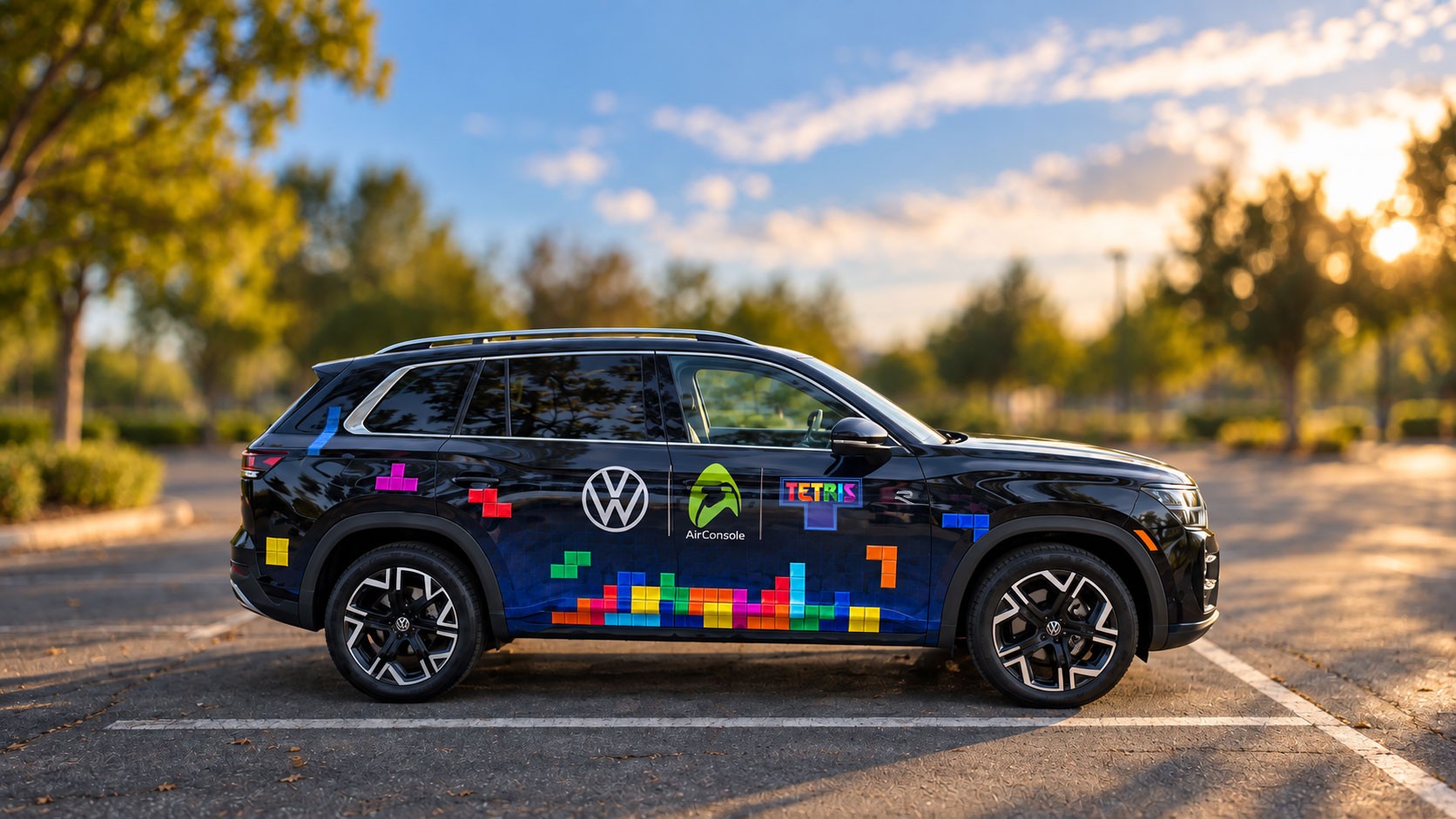
AirConsole offers one tangible illustration. Customized games can bring brand character into an unexpected setting, connecting familiar entertainment with the cabin through visual details, sound and responsive lighting.
As part of the KPIT Group, we can bring that product experience together with the engineering and integration capabilities needed to carry an idea toward production.
Four decisions to put this into practice
For OEM teams, I would start with four decisions:
Make brand behavior part of the architecture.
Translate brand promises into requirements for how systems respond, work together and handle failure. Let those requirements shape platform and supplier decisions early.Give AI a clear mandate and boundaries.
Set shared rules for when systems may suggest, ask or act, including when to stay silent. Make permissions understandable and easy to change.Measure whether the experience helped.
Look beyond feature usage. Did people achieve their goal with less effort, understand what happened and feel in control? Use those answers to guide investment.Make every update earn its place.
J.D. Power’s 2026 findings, reported by MOTOR, highlight the importance of meaningful improvements and clear communication. Preserve behaviors people rely on, explain what changes and make the benefit clear.
The question I would put at the center of development is simple: how should this vehicle behave for the people inside it, and what will make that behavior unmistakably ours?
Planning your next vehicle platform or digital-experience roadmap? Contact the N-Dream Experience Unit to schedule a working session and discover where experience innovation can create the greatest value for your customers, your brand, and your business.
XU Europe: christian@n-dream.com
XU North America: parrish@n-dream.com